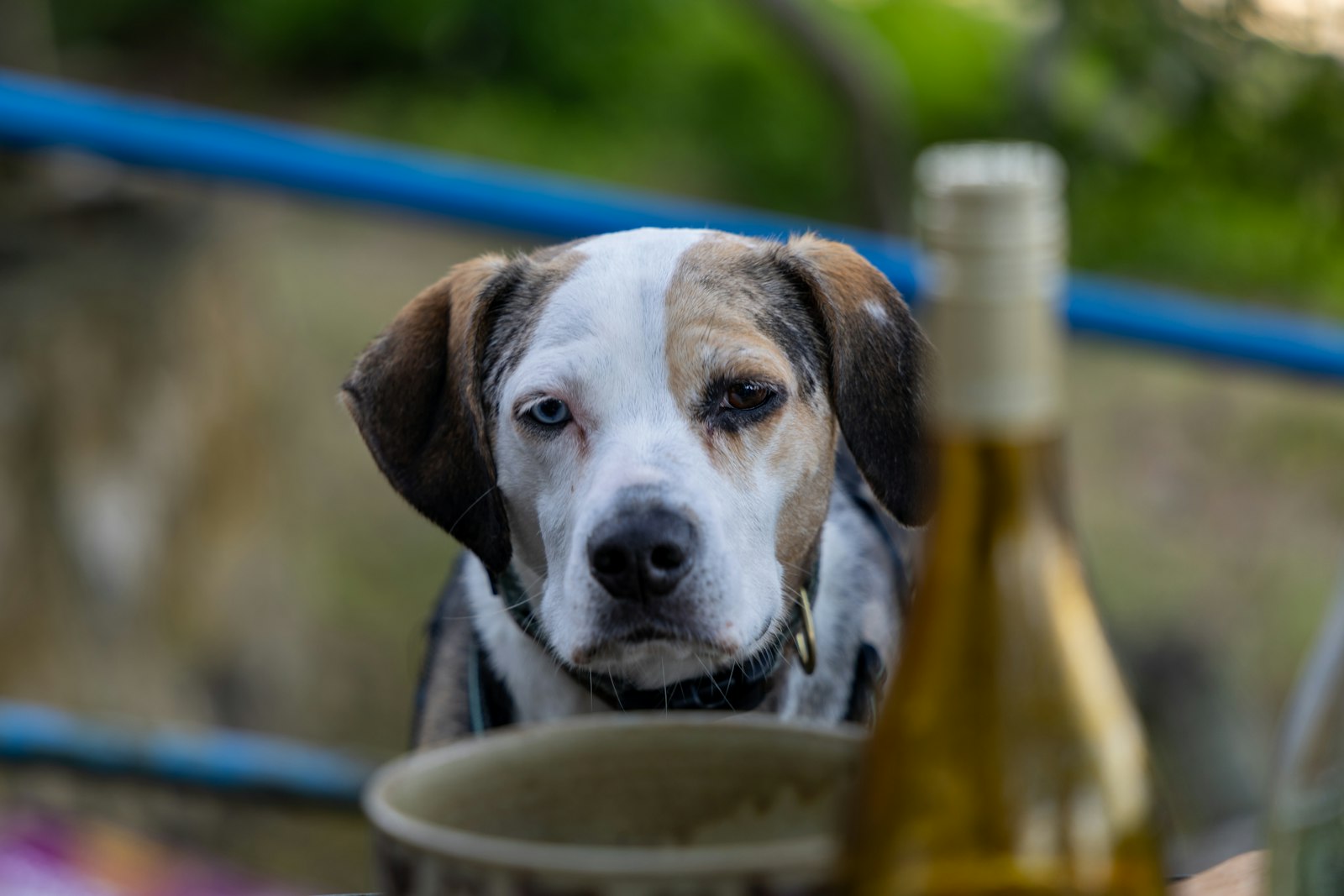
If your dog keeps shaking their head, pawing at one ear, or pulling away when you touch the side of their face, it is easy to hope the problem will clear up on its own. Many dog owners in Sunnyvale have probably had that thought, especially when the signs seem mild at first.
But ear infections in dogs usually do not improve just because time passes. What starts as a little scratching or irritation can turn into swelling, pain, odor, discharge, and a much harder problem to treat.
That is why recurring ear trouble deserves attention early. Whether your dog spends time outdoors, deals with seasonal allergies, or simply has ears that trap moisture easily, a vet clinic can help find the cause and keep a small issue from turning into a long, frustrating cycle.
Why dog ear infections should not be brushed off
Dogs do not always show pain in obvious ways. Many keep eating, walking, and following their normal routine even when an ear is sore. That can make the problem look less serious than it is.
In reality, ear infections are often painful. The ear canal can become red, swollen, itchy, and tender. Some dogs grow restless or irritable. Others tilt their head, whine when touched, or pull away when you try to look inside the ear.
Repeated head shaking and scratching are not just habits. They are common signs that something inside the ear is bothering your dog. As irritation continues, the skin in the ear can become more inflamed, creating the kind of environment where yeast and bacteria keep multiplying. What begins as mild irritation can turn into a true infection, and infections can become recurring problems if the underlying cause is never addressed.
Warning signs Sunnyvale dog owners should watch for
Some signs are easy to spot, and others are more subtle. Common red flags include:
- repeated head shaking
- scratching at one or both ears
- rubbing the head against furniture or the floor
- redness or swelling inside the ear
- odor coming from the ear
- dark, yellow, or brown discharge
- sensitivity when the ear is touched
Behavior changes can also matter. A dog with an ear infection may seem distracted, less playful, clingier than usual, or unusually resistant to grooming around the face and ears.
If you notice these signs after grooming, swimming, outdoor play, or during allergy season in Sunnyvale, it is worth paying attention. Even if the symptoms come and go, recurring irritation usually means something still needs attention.
Common causes of ear infections in dogs
Dog ear infections do not all come from the same cause, which is one reason an exam matters. The infection itself may involve yeast or bacteria, but those are often part of a larger issue.
Allergies are a common trigger. Dogs with environmental allergies often have recurring skin and ear problems. If your dog also licks their paws, rubs their face, or has itchy skin, the ears may be part of that bigger pattern.
Moisture is another factor. Dogs with floppy ears, hairy ear canals, or ears that stay damp after baths are often more prone to irritation. Wax buildup can trap debris. Foreign material, including plant debris, can also irritate the ear canal. In some cases, the shape of the ear canal or a history of past infections makes future flare-ups more likely.
The important point is simple: if the underlying cause is not identified, the infection may keep coming back.
Why waiting can make the problem worse
Many ear cases become harder than they needed to be because owners wait. Sometimes the dog still seems mostly okay. Sometimes the symptoms improve for a day and then return. Sometimes people try an old cleaner or leftover medication without knowing whether it fits the current problem.
Untreated ear problems usually do not stay the same. Inflammation can build, the ear canal can swell, and the skin can become damaged from constant scratching and shaking. The infection may become deeper, more stubborn, and more painful.
In chronic cases, the ear tissue can thicken over time, which makes future flare-ups more likely and treatment more complicated. Early care often means faster relief and a better chance of breaking the cycle before it turns into a recurring issue.
How a vet clinic helps diagnose and treat the issue
A vet clinic does more than confirm that the ear looks irritated. The real value is figuring out what type of problem is present and why it developed.
A veterinarian will usually examine the ear canal and look for swelling, discharge, odor, debris, or signs of trauma. In some cases, a sample from the ear is checked under a microscope to see whether yeast, bacteria, or other organisms are involved. That matters because treatment should match what is actually going on.
This is also where a clinic can catch issues that are easy to miss at home. A dog with recurring infections may need a closer look at allergies, skin health, grooming habits, or routine ear care. If the ear is very painful or packed with debris, professional cleaning and treatment may be much safer than trying to manage it yourself.
Treatment often includes medicated ear drops, cleaning instructions, and follow-up care when the infection is severe or keeps returning. Some dogs also need treatment for the root cause, especially if allergies are driving the problem.
What not to do at home
It is natural to want to help right away, but ears are one area where do-it-yourself treatment can backfire.
Do not put random creams, oils, or leftover medications into your dog’s ear. Do not assume every ear infection is the same. And do not keep aggressively cleaning an already painful ear just because it looks dirty. If the eardrum is damaged or the canal is badly inflamed, the wrong product can make the problem worse.
The better move is to notice the symptoms early, avoid further irritation, and have your dog examined, especially if the problem keeps returning.
A practical takeaway for Sunnyvale dog owners
Ear infections are common, but they are not minor when they are causing pain, inflammation, or repeated flare-ups. If your dog keeps shaking their head, scratching at one ear, developing odor or discharge, or acting sensitive around the ear, take that as a sign that something is wrong.
For Sunnyvale dog owners, a local vet clinic can help determine whether the problem is related to yeast, bacteria, allergies, trapped moisture, debris, or a larger recurring pattern. That matters because the goal is not just short-term relief. It is helping your dog feel better now and reducing the chance that the same issue comes right back.
When ear trouble is treated early, dogs often get relief faster. When it is delayed, discomfort tends to build and treatment can become more complicated. If your dog is showing the signs, it is a good time to schedule a visit and get ahead of it.